How to Hire Your First Floral Assistant
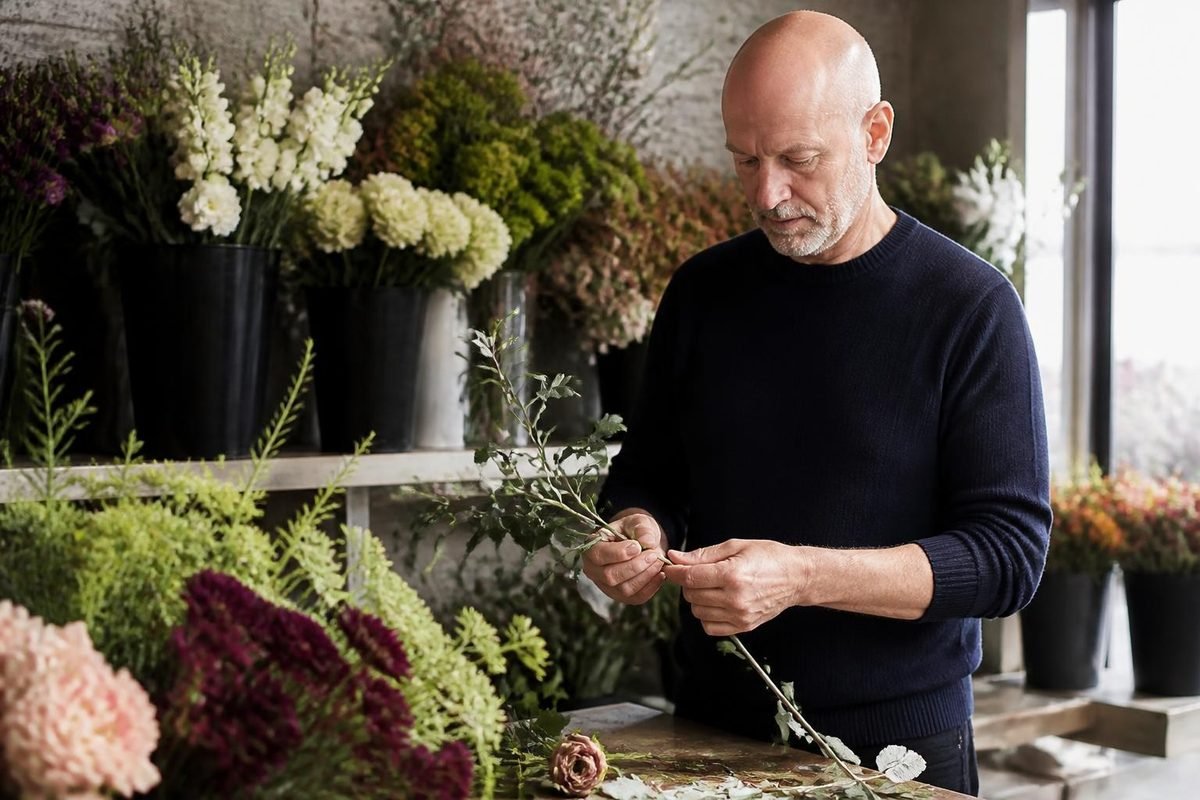
Hire your first floral assistant by deciding which tasks you need help with, writing a clear job description, and choosing someone whose skills and availability fit the work. A practical interview and a thoughtful first day will help you see how they work and give them a fair start.
Decide what help you need
Before posting a job, make a list of the tasks that take up your time. An assistant might clean and condition flowers, wash buckets, prepare supplies, make deliveries, or help set up events. You may also want help with arrangements, customer service, or keeping the workspace tidy.
Separate essential tasks from skills you can teach. Someone who has never made a bouquet may still be reliable, careful, and keen to learn. On the other hand, if you need an assistant to work independently on event designs, practical experience may matter more.
Think about the hours, too. Floral work can involve early starts, busy weekends, and long days around holidays. Be honest about the schedule and the physical work, including standing, lifting buckets, and cleaning up the inevitable pile of stems.
Find people who fit the role
Write a job description that explains the duties, location, hours, pay, and experience required. Include any important conditions, such as a valid driving licence if the assistant will make deliveries. A clear description saves everyone time and makes it easier for candidates to decide if the job suits them.
Share the opening through local job boards, community groups, floral schools, and your professional contacts. Ask applicants to tell you about relevant work and their availability. Experience in retail, hospitality, gardening, or events can be useful, even if flowers are new to them.
Choose and welcome your assistant
Use the same core questions for each candidate so you can compare their answers fairly. Ask how they handle a busy shift, follow instructions, and care for perishable materials. Then make the next steps practical.
- Invite promising candidates to talk through the role and ask questions.
- Consider a short, paid working trial that reflects real tasks, such as preparing flowers or packing an arrangement.
- Check references with the candidate's permission, and follow applicable hiring and employment rules.
- Make an offer that sets out the pay, schedule, duties, and start date in writing.
- On the first day, demonstrate your routines, explain safety procedures, and agree on when you will check in.
Give clear feedback early and leave room for questions. Your new assistant cannot read your mind, even if they can make a bucket of flowers look remarkably organised.
Questions about hiring a floral assistant
Does a floral assistant need formal training?
Not necessarily. The answer depends on the tasks you need them to perform and how much training you can provide.
Should I hire part time or full time?
Look at your workload across several weeks. Part time hours may suit a smaller, steady need, while a fuller schedule may help during consistently busy periods.
What should I look for in a working trial?
Notice care, attention to instructions, communication, and willingness to learn. Explain the task clearly before you assess the result.
How much responsibility should I give at first?
Start with tasks you can demonstrate and check. Add responsibility as your assistant becomes comfortable with your standards and routines.
A useful next read: continue reading